Metrolinx Monitoring Systems
Deploying distributed monitoring networks across transportation corridors to capture lightning, wind, occupancy, and snow-clearing telemetry. Responsibilities included systems design, requirements capture, hardware selection, and coordinating site deployments.
Gallery
Overview
Over several years I led the delivery of multiple monitoring initiatives supporting transportation infrastructure throughout the Metrolinx network. These projects leveraged wireless telemetry, environmental sensing, occupancy monitoring, and equipment condition monitoring to provide operational visibility across geographically distributed assets.
My responsibilities included requirements gathering, solution architecture, stakeholder coordination, deployment planning, field support, troubleshooting, and project delivery.
Occupancy Monitoring
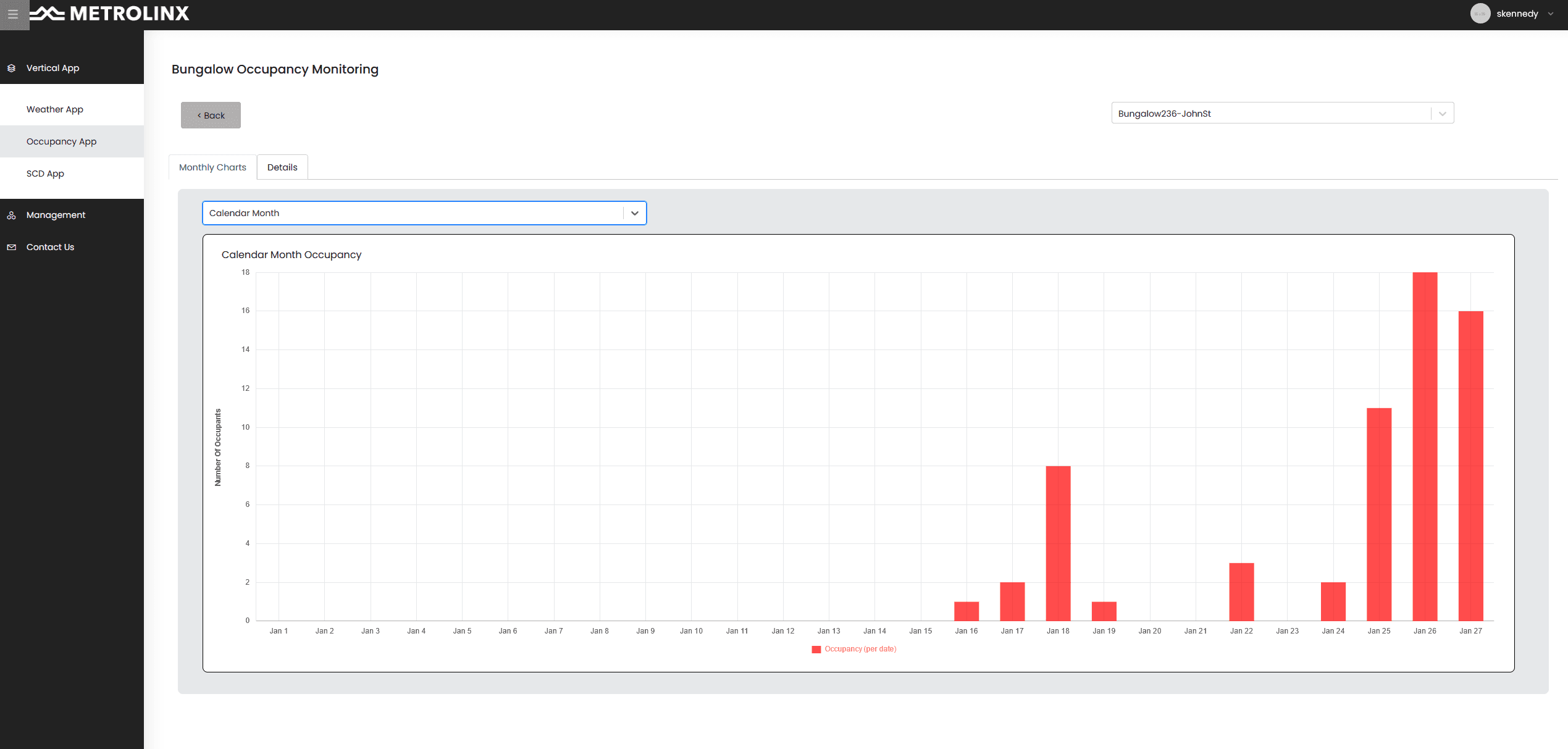
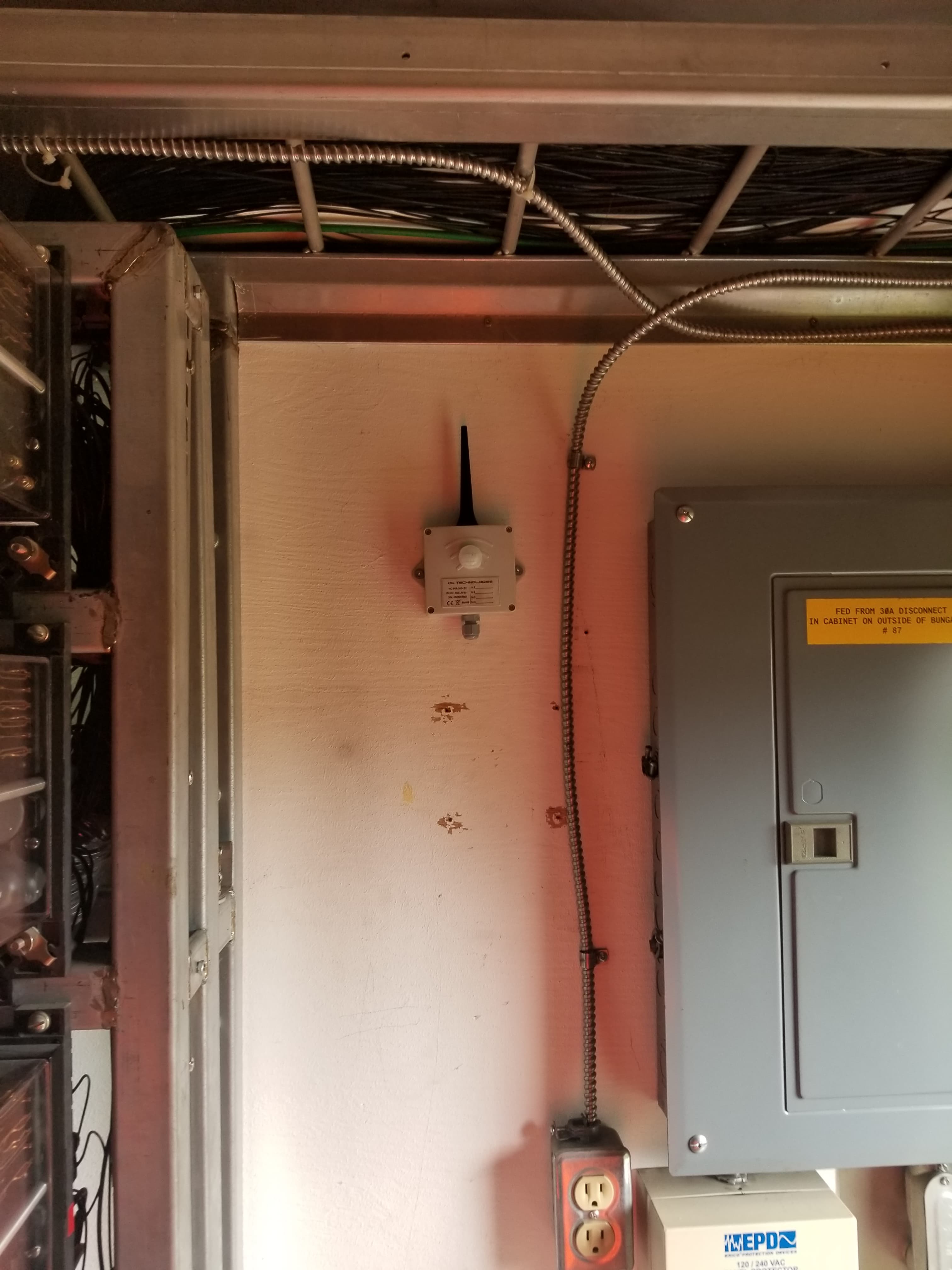
One initiative involved monitoring more than sixty distributed facilities including signal bungalows, maintenance buildings, offices, and tool sheds.
The objective was to understand how infrastructure assets were being utilized throughout the network and provide data-driven insight into facility access patterns.
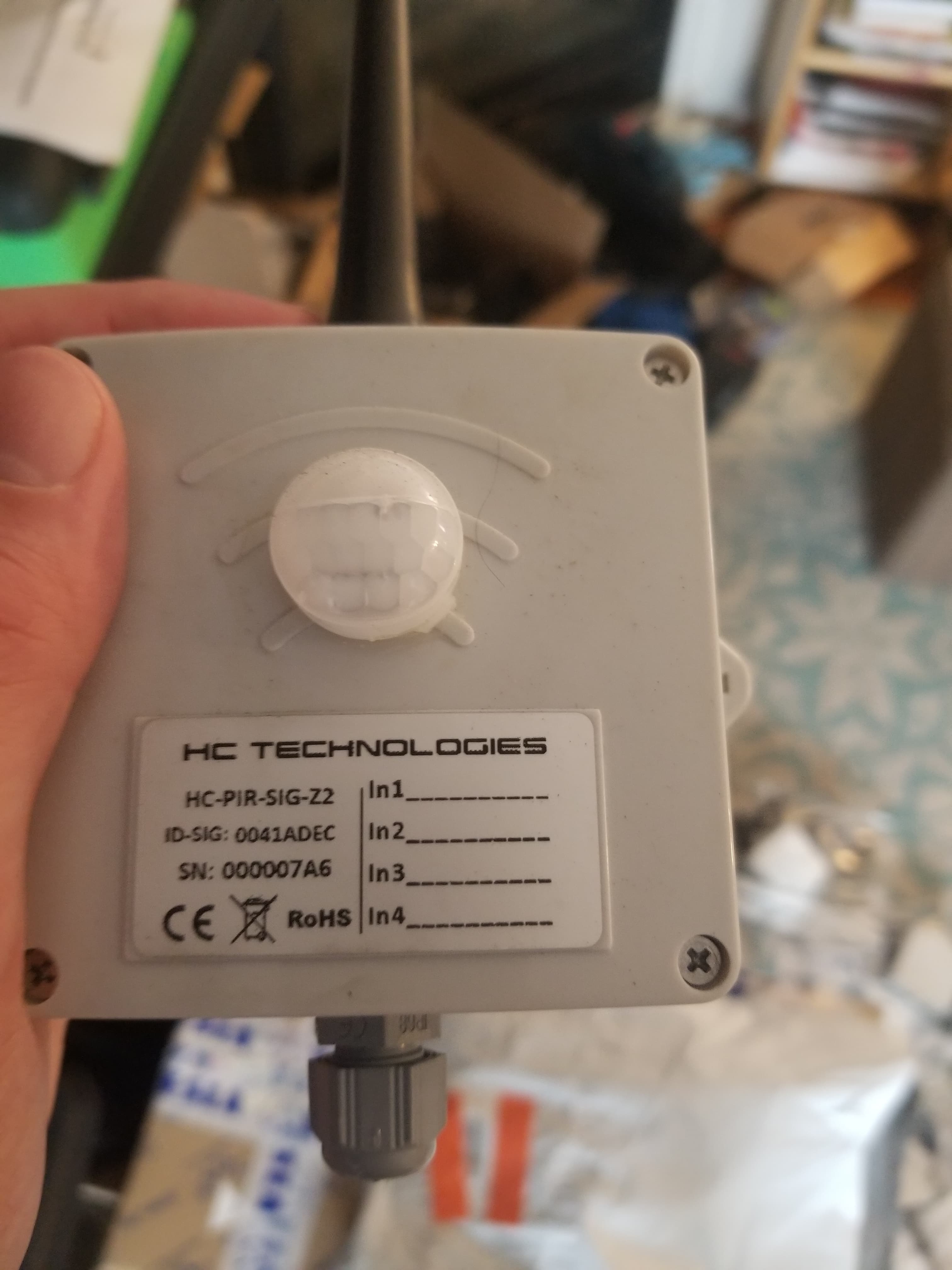
The resulting system combined occupancy sensing, wireless telemetry, and centralized reporting to provide information that previously required manual observation and site visits.
Snow Clearing Device Monitoring
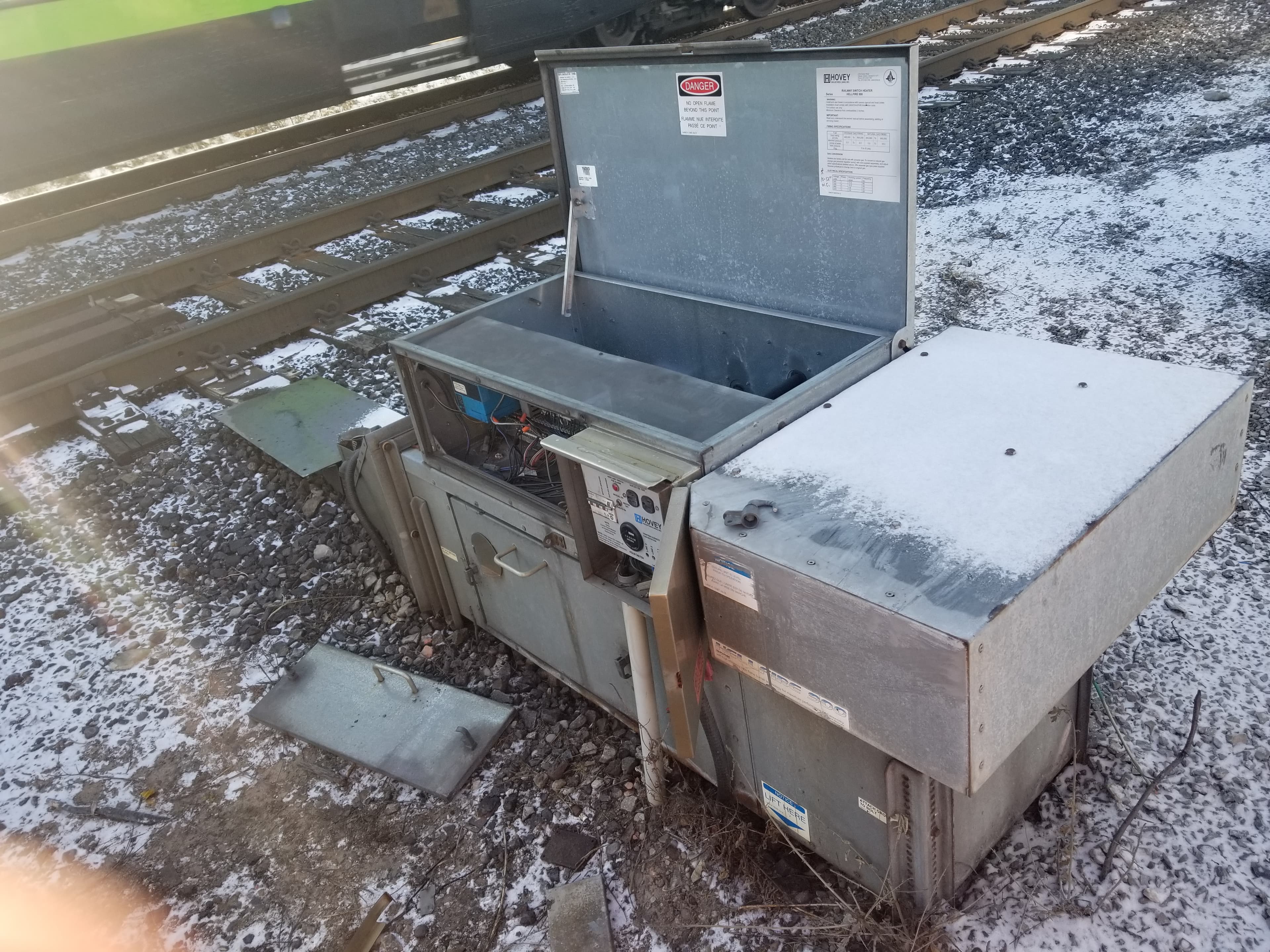
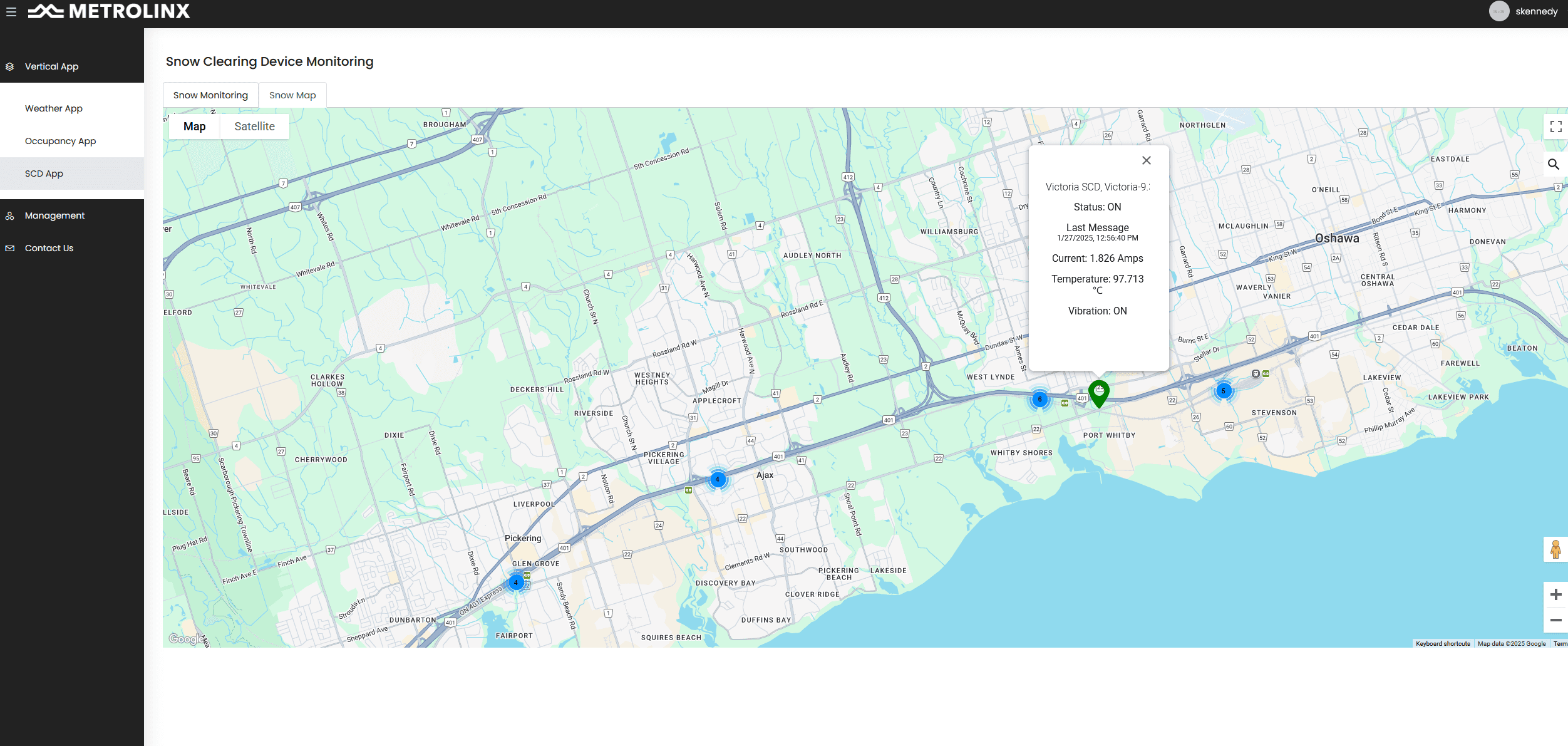
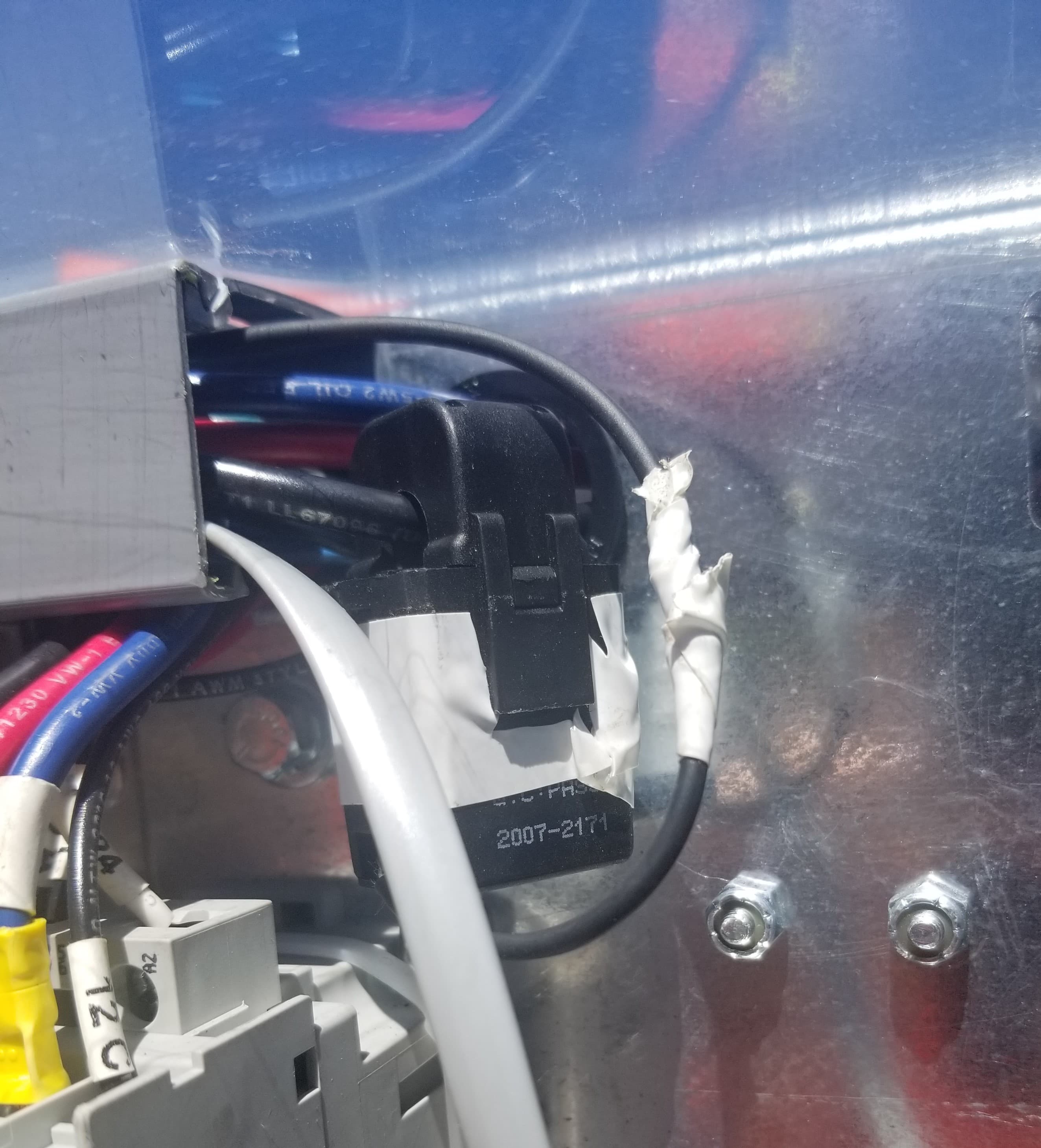
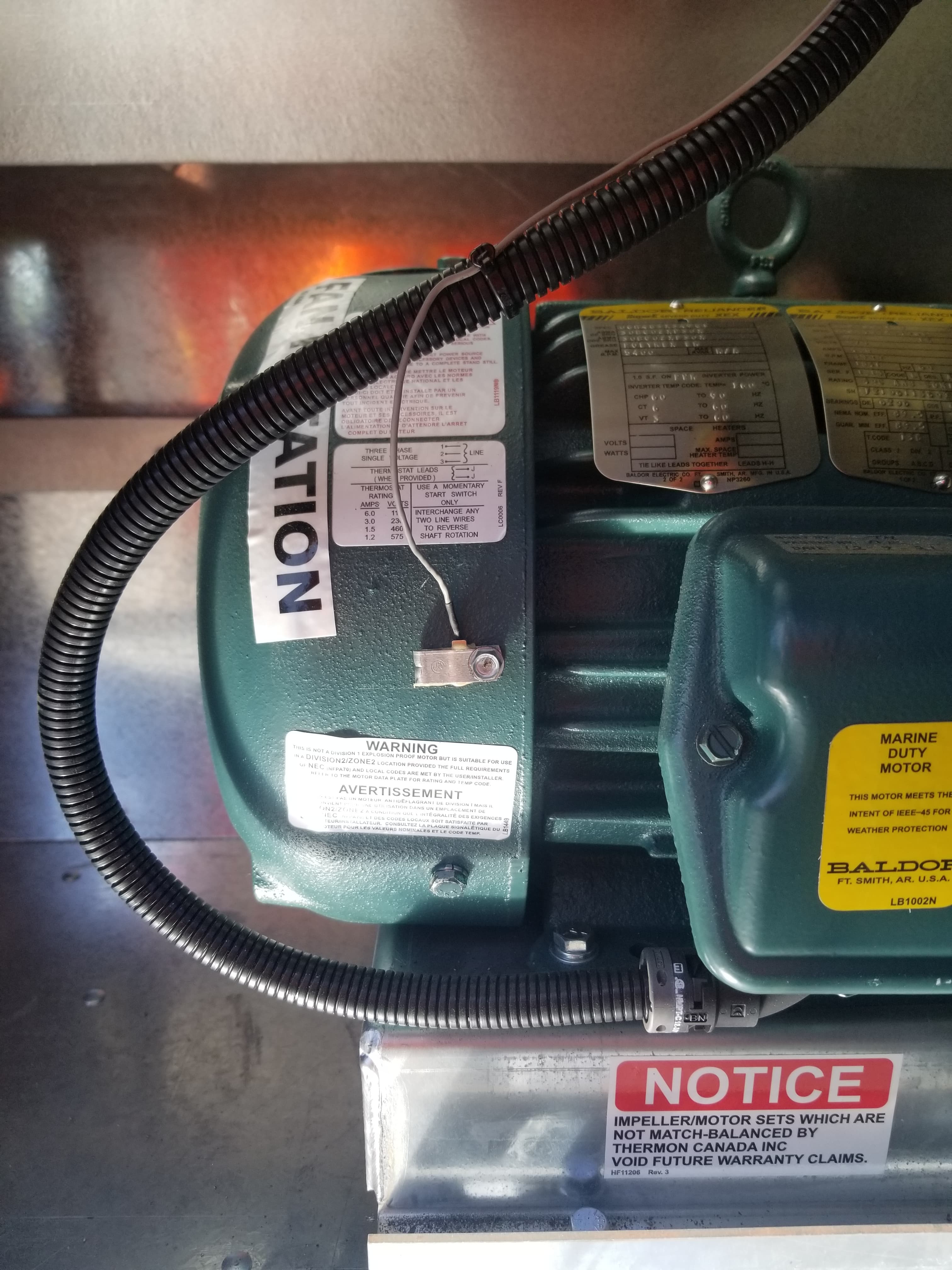
A second project focused on monitoring Snow Clearing Devices (SCDs) deployed throughout the rail network.
Sensors were used to monitor current draw, vibration, and temperature in order to provide visibility into equipment activity and operating condition.
The project demonstrated how relatively simple sensing solutions can significantly improve operational awareness while reducing manual inspection requirements.
Key Technologies
- Sigfox communications
- Remote telemetry
- Occupancy sensing
- Current monitoring
- Vibration monitoring
- Temperature sensing
- Monitoring dashboards
Key Takeaway
The most effective monitoring systems are not those that collect the most data, but those that provide operators with meaningful information they can act on.